
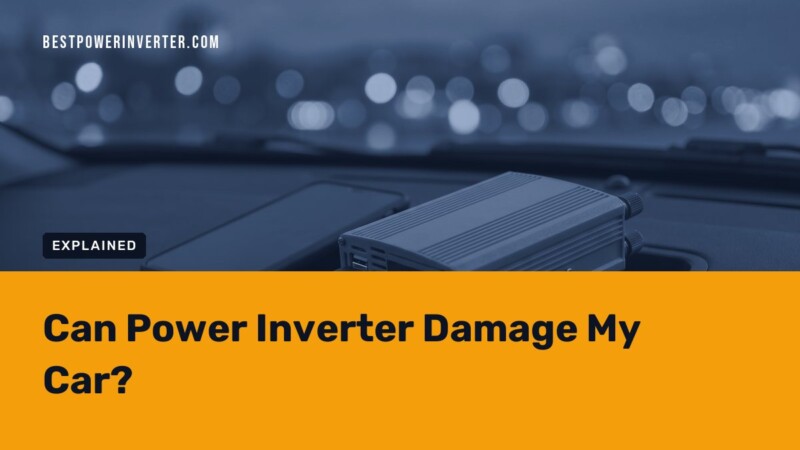
Yes, a power inverter can damage your car if used improperly. Overloading or incorrect installation can lead to electrical issues.
Power inverters are useful devices that convert DC power from your car’s battery into AC power. This allows you to run household electronics while on the road. It’s essential to use the correct wattage and follow manufacturer guidelines to prevent any damage.
An overloaded inverter can strain your car’s electrical system. Poor installation can also lead to short circuits or battery drain. Always ensure your inverter matches your car’s power output capabilities. Regular checks and proper usage can help you avoid potential problems. Understanding these factors will help you use a power inverter safely in your vehicle.
Power Inverters Explained
Power inverters are devices that convert DC power from your car’s battery into AC power. This allows you to use household electrical devices while on the road. Understanding how power inverters work is essential for safe and effective use.
What They Do
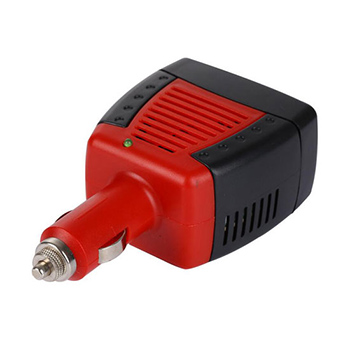
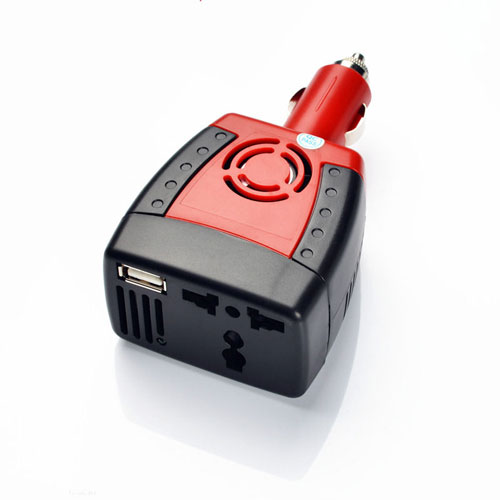
Power inverters transform 12-volt DC power from your car’s battery into 120-volt AC power. This AC power is the same type used in home outlets. The inverter connects to your car’s battery and provides power through standard outlets.
Some inverters also include USB ports for charging small devices like phones and tablets. These inverters are very versatile and useful for various needs.
Common Uses
Power inverters are used for many purposes. Below are some common applications:
- Laptops: Keep your laptop charged during long trips.
- Small Appliances: Power small appliances like mini-fridges or coffee makers.
- Charging Devices: Charge multiple devices simultaneously through USB ports.
- Entertainment: Use TVs, DVD players, or game consoles on the go.
These uses make inverters a handy tool for road trips, camping, and emergencies.
Credit: www.inverter.com
Types Of Power Inverters
Power inverters convert your car’s DC power to AC power. This allows you to use household devices while on the road. There are two main types of power inverters: Modified Sine Wave and Pure Sine Wave. Each type has its own characteristics and impact on your car.
Modified Sine Wave
Modified sine wave inverters are the more common type. They are cheaper and simpler. These inverters create a waveform that is a rough approximation of a pure sine wave.
- Advantages: Affordable, sufficient for basic electronics.
- Disadvantages: Not suitable for sensitive devices, can cause noise in audio equipment.
Devices like phone chargers and simple tools work fine with modified sine wave inverters. But they might not be ideal for sensitive electronics.
Pure Sine Wave
Pure sine wave inverters produce a smooth, consistent wave. This type mimics the power you get from your home outlets. They are more expensive but offer cleaner power.
- Advantages: Suitable for all devices, reduces risk of damage.
- Disadvantages: Higher cost, more complex design.
Pure sine wave inverters are ideal for sensitive electronics. They ensure that devices like laptops, TVs, and medical equipment function without issues.
| Feature | Modified Sine Wave | Pure Sine Wave |
|---|---|---|
| Cost | Low | High |
| Compatibility | Basic Devices | All Devices |
| Power Quality | Moderate | High |
Understanding these types of inverters can help you choose the right one for your needs. Make sure to consider the type of devices you plan to use and their sensitivity.
Potential Risks To Cars
Using a power inverter in your car can be convenient. It lets you run household devices on the go. But, it can also pose risks to your vehicle. Let’s explore these potential risks.
Electrical System Damage
A power inverter can damage your car’s electrical system. An overloaded inverter can cause short circuits. This can harm the car’s wiring and electronics. Cheap inverters often lack safety features. They may not provide clean power. This can cause sensitive electronics to malfunction.
Using a poor-quality inverter can also lead to overheating. Overheating can damage the car’s electrical components. Ensure your inverter has safety certifications. Choose a quality product to protect your car.
Battery Drain
Power inverters can drain your car’s battery quickly. High-power devices consume more electricity. This can leave you with a dead battery. Always monitor the battery level when using an inverter.
It’s wise to run the car engine while using the inverter. This helps maintain the battery charge. Avoid using the inverter for extended periods. Long use can strain the battery and reduce its lifespan.
Below is a quick summary of battery drain factors:
| Factor | Impact on Battery |
|---|---|
| Device Power Consumption | Higher consumption drains battery faster |
| Inverter Quality | Poor quality may lead to higher drain |
| Engine Running | Helps maintain battery charge |
Using a power inverter has benefits, but be cautious. Protect your car’s electrical system and battery by using quality inverters and monitoring usage.
:max_bytes(150000):strip_icc()/what-is-a-car-power-inverter-534721-9c78d95b3d584b15a7c49052b1fe8ee8.png)
Credit: www.lifewire.com
Safety Precautions
Using a power inverter in your car can be safe if you follow important safety precautions. Proper installation and using the correct wattage are crucial steps to ensure your car stays safe.
Proper Installation
Proper installation is the first step to avoid damage. Follow these steps:
- Read the Manual: Always read the inverter’s manual before installation.
- Connect to Battery: Make sure to connect the inverter directly to the car battery.
- Use Fuses: Install fuses close to the battery terminals.
- Secure Connections: Ensure all connections are tight and secure.
Using Correct Wattage
Using the correct wattage is essential to prevent damage. Here’s how:
| Device | Wattage |
|---|---|
| Laptop | 50W – 100W |
| Phone Charger | 5W – 20W |
| Mini Fridge | 50W – 100W |
Calculate Total Wattage: Add up the wattage of all devices you plan to use. Make sure the inverter can handle the total wattage.
Avoid Overloading: Never exceed the inverter’s maximum wattage rating. Overloading can cause damage to both the inverter and your car.
Choosing The Right Inverter
Selecting the correct power inverter is crucial for your car’s safety. The right inverter ensures smooth operation and prevents potential damage.
Power Needs
Determine your power needs before buying an inverter. List all devices you plan to connect. Check their power ratings.
Add up the total wattage. Choose an inverter with a higher capacity than your total. This margin prevents overloads and ensures safety.
| Device | Power Rating (Watts) |
|---|---|
| Laptop | 65 |
| Phone Charger | 10 |
| Portable Fridge | 50 |
Compatibility
Ensure compatibility with your car’s electrical system. Check the inverter’s input voltage. It should match your car battery’s voltage.
Most cars use a 12V battery. So, choose a 12V input inverter. Also, verify the inverter’s plug type. It should fit your car’s socket.
Use inverters with built-in safety features. Look for over-voltage, short-circuit, and thermal protection. These features protect your car and devices.
Credit: www.inverter.com
Signs Of Damage
Using a power inverter in your car can be very helpful. But it can also cause damage if not used correctly. Recognizing the signs of damage early can save you from costly repairs.
Dimming Lights
One of the first signs of damage is dimming lights. Your car’s lights may flicker or become less bright. This happens because the inverter draws too much power.
If you notice this, it’s time to check your power inverter. Continuous dimming can lead to battery drain. It may also affect other electrical components in your car.
Strange Noises
Another warning sign is strange noises coming from your car. You might hear buzzing or humming sounds. These noises often mean that something is not right.
Such sounds can indicate a malfunctioning inverter. They can also suggest issues with your car’s electrical system. Ignoring these noises can result in more serious damage.
| Sign | Possible Cause |
|---|---|
| Dimming Lights | Inverter drawing too much power |
| Strange Noises | Malfunctioning inverter or electrical issues |
Preventive Measures
Using a power inverter in your car can be very useful. But, it can sometimes cause damage if not used properly. To prevent damage, follow these preventive measures.
Regular Maintenance
Regular maintenance is crucial to keep your car and power inverter safe. Here are some tips:
- Check the battery regularly for any signs of wear or damage.
- Clean the connections to ensure they are free from dirt and corrosion.
- Inspect the inverter for any visible damage or wear.
By following these steps, you can extend the life of your car’s battery and power inverter.
Professional Consultation
Consulting a professional can help avoid potential issues. Here are some benefits:
| Benefit | Description |
|---|---|
| Expert Advice | Professionals can provide tips for proper inverter use. |
| Safety Checks | They can perform safety checks on your car’s electrical system. |
| Peace of Mind | Knowing your equipment is safe and well-maintained. |
Getting a professional consultation can save you from unexpected issues.
Case Studies
Understanding the impact of power inverters on vehicles is crucial. Real-life case studies offer insights into potential risks and their solutions. This section explores specific incidents, providing valuable lessons for all car owners.
Real-life Incidents
Several car owners have reported issues with power inverters. These problems vary in severity, from minor annoyances to significant damage. Here are some notable cases:
| Case | Vehicle Type | Issue Reported | Outcome |
|---|---|---|---|
| Case 1 | SUV | Battery Drain | Replaced Battery |
| Case 2 | Sedan | Electrical System Failure | Costly Repairs |
| Case 3 | Truck | Engine Won’t Start | Towed to Mechanic |
Lessons Learned
These cases highlight key lessons for car owners. Here are the important takeaways:
- Check Compatibility: Ensure the inverter matches your vehicle’s electrical system.
- Monitor Usage: Avoid overloading the inverter with high-power devices.
- Regular Maintenance: Keep your car’s battery and electrical components in top condition.
Real-life incidents provide valuable insights. Learn from these cases to prevent inverter-related damage to your car.
Frequently Asked Questions
Can A Power Inverter Drain My Car Battery?
Yes, a power inverter can drain your car battery if used for extended periods. Ensure your engine is running or use a high-capacity battery.
Is It Safe To Use A Power Inverter In My Car?
Using a power inverter in your car is generally safe. Ensure proper installation and avoid exceeding the inverter’s wattage limit.
What Size Inverter Is Safe For My Car?
A 150 to 300-watt inverter is usually safe for most cars. Higher wattage inverters may require professional installation.
Can A Power Inverter Damage My Car’s Alternator?
A high-wattage power inverter can strain or damage your car’s alternator. Use an inverter within your car’s electrical system limits.
Conclusion
Using a power inverter in your car can be safe if used correctly. Ensure you choose the right inverter for your car. Always follow the manufacturer’s guidelines and keep an eye on your car’s battery. This will help you avoid any potential damage and enjoy a seamless power supply on the go.