
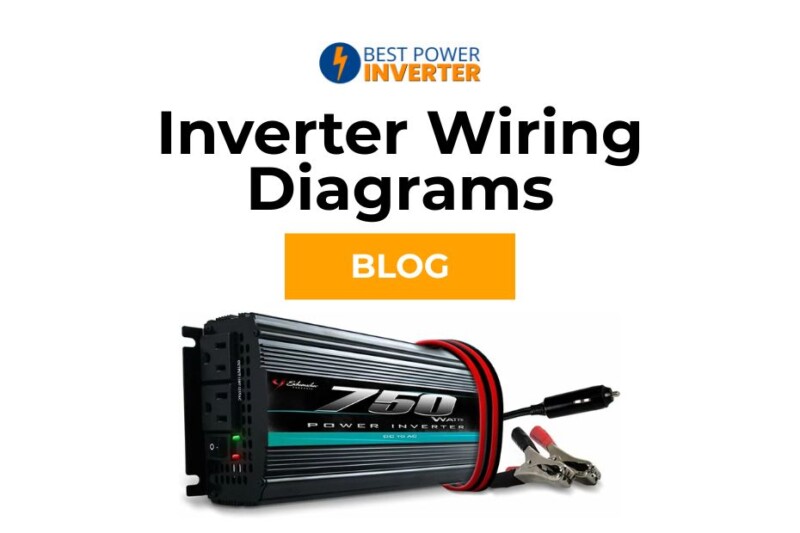
Wiring an inverter might seem tricky at first, but with the right guidance, you can do it yourself safely and confidently. Whether you want to power your home during outages or set up a backup system for your vehicle, understanding the wiring process is essential.
In this guide, you’ll find clear, step-by-step inverter wiring diagrams designed specifically for beginners like you. We’ll walk you through each connection, explain the important safety tips, and help you avoid common mistakes that could cost you time or money.
By the end of this article, you’ll have the know-how to wire your inverter correctly and keep your devices running smoothly when you need them most. Ready to get started? Let’s dive in!
Safety And Preparation
Before starting any inverter wiring project, safety and preparation are the top priorities. Working with electricity can be dangerous. Proper precautions reduce risks of shocks, sparks, or damage.
Preparing your workspace and tools ensures a smooth process. This section covers the key safety gear, tools, and components you need for safe inverter wiring.
Essential Safety Gear
Wear safety glasses to protect your eyes from sparks or debris. Use insulated gloves to avoid electric shocks. Non-slip shoes help prevent falls or slips. Avoid loose clothing or jewelry that could catch on wires. Keep a fire extinguisher nearby just in case. These simple items keep you safe during wiring.
Tools Needed
Gather wire strippers to remove insulation cleanly. Use screwdrivers and wrenches to tighten connections securely. A multimeter helps check voltage and continuity. Cable cutters trim wires to length. A crimping tool ensures strong terminal connections. Having these tools ready speeds up your work and improves safety.
Gathering Components
Choose cables rated for the inverter’s current to prevent overheating. Use a high-amp fuse or breaker close to the battery terminal.
A DC disconnect switch allows quick power cut-off in emergencies. Select terminals and connectors that fit your cable size. Prepare an AC subpanel if you plan to connect multiple devices. Having all parts ready avoids delays and hazards.
Selecting The Right Inverter
Selecting the right inverter is key for a successful wiring project. The inverter must fit your needs and work well with your power sources.
A wrong choice can cause inefficiency or damage to your devices. Understanding the types of inverters and matching them to your power needs helps avoid these issues.
Choosing the proper inverter also saves energy and extends equipment life. It ensures smooth power supply and reliable operation. This guide helps beginners pick the best inverter for their setup.
Types Of Inverters
There are mainly three types of inverters: pure sine wave, modified sine wave, and square wave. Pure sine wave inverters provide clean power, similar to the grid. They work well with sensitive electronics like laptops and medical devices.
Modified sine wave inverters are less expensive and work for many appliances. They may cause buzzing in some devices. Square wave inverters are rare and mostly used for simple tools and lights.
Choosing the right type depends on the devices you want to power. Pure sine wave offers the best performance but costs more. Modified sine wave suits basic needs and saves money.
Matching Inverter To Power Needs
Start by calculating your total power requirement in watts. Add the wattage of all devices you plan to run simultaneously. Also, consider the starting surge wattage for appliances like pumps or refrigerators.
Choose an inverter with a continuous power rating higher than your total wattage. Add some margin to avoid overload. Check the inverter’s surge rating to handle startup loads safely.
Voltage compatibility is crucial. Match the inverter voltage with your battery bank voltage, usually 12V, 24V, or 48V. Using the correct voltage prevents damage and improves efficiency.
Correct sizing ensures your inverter runs smoothly without overheating or shutting down. It also protects your devices and battery system.
Read More: What Will a 100 Watt Power Inverter Run?

Understanding DC wiring basics is key to safe inverter setup. The direct current (DC) side connects your battery bank to the inverter.
Proper wiring ensures efficient power flow and prevents hazards. Follow these steps carefully to wire your inverter’s DC side correctly.
Mounting The Inverter
Choose a dry, ventilated location to mount the inverter. Use screws or brackets to fix it firmly. Avoid places with direct sunlight or heat sources. A solid mount prevents vibration and damage during operation.
Connecting Negative Terminal
Use a suitable gauge black cable for the negative connection. Connect one end to the inverter’s negative terminal. Attach the other end securely to the battery’s negative terminal. Tighten terminals to avoid loose contacts that cause sparks.
Installing Fuse Or Breaker
Install a fuse or circuit breaker on the positive cable near the battery. Select a fuse rated for your inverter’s maximum current. This device protects against short circuits and overloads. Place it as close to the battery as possible for safety.
Connecting Positive Terminal
Use a red cable of the proper thickness for the positive connection. Connect one end to the inverter’s positive terminal. Attach the other end to the fuse or breaker holder. Keep the fuse removed during initial wiring to avoid accidents.
Securing The Wiring
Route cables away from sharp edges and heat sources. Use cable ties or clamps to secure wires neatly. Avoid stretching or bending cables tightly. Properly secured wiring reduces wear and maintains safety over time.
Ac Wiring Setup

The AC wiring setup is a key part of connecting your inverter to your home or devices. It ensures the inverter delivers power safely and efficiently. Proper AC wiring prevents electrical faults and protects your equipment.
This step involves grounding the inverter, linking it to your loads or subpanel, and testing the AC output. Each task needs careful attention to detail and safety.
Grounding The Inverter
Grounding the inverter is essential for safety. Connect the inverter’s grounding terminal to a proper earth ground. Use a copper wire with the right thickness for your system. This helps avoid shocks and electrical damage.
Check local electrical codes for grounding requirements. Secure all connections tightly and avoid loose wires.
Connecting To Loads Or Subpanel
Connect the inverter’s AC output wires to your electrical loads or the home subpanel. Use cables that match the inverter’s current rating. This prevents overheating and voltage drop.
Turn off all breakers before making connections. Attach the live (hot), neutral, and ground wires correctly. Label the wires if needed for easy identification.
Testing Ac Output
Test the AC output before powering your devices. Use a multimeter to measure voltage and frequency. Confirm the output matches your home’s electrical system.
Turn on the inverter and check for any unusual sounds or smells. Test with a small load first to ensure stable operation. Fix any issues before full use.
Using Disconnects And Safety Devices
Using disconnects and safety devices in inverter wiring is essential for protecting your system and yourself. These components help prevent electrical accidents and make maintenance easier.
Proper use of disconnect switches and fuses ensures safe operation and quick shutdowns if needed. Following safety guidelines reduces risks like short circuits and fires.
Importance Of Dc Disconnect Switch
The DC disconnect switch lets you safely cut off power from the battery. It isolates the inverter during maintenance or emergencies.
Using this switch protects against electric shock and equipment damage. Always install the DC disconnect near the battery for quick access. This simple device adds a critical layer of safety to your inverter system.
Proper Fuse Placement
Fuses protect wiring and devices from overcurrent and short circuits. Place the fuse as close to the battery’s positive terminal as possible. This placement stops excessive current from flowing through cables. Choosing the right fuse rating matches your inverter’s current needs. Correct fuse placement prevents damage and fire hazards effectively.
Color Coding For Wires
Color coding makes wiring easier and safer to understand. Use red for positive wires and black for negative wires. Consistent colors help avoid wiring mistakes and electric shocks. Label wires clearly if colors are not available. Proper color coding improves safety and simplifies troubleshooting.
Read More: Best 1000 Watt Solar Panel Kit
Troubleshooting Tips
Troubleshooting inverter wiring can save time and prevent damage. Understanding common issues helps fix problems quickly. Careful checks ensure your system works safely and efficiently. Follow these simple tips to avoid mistakes and keep power flowing.
Common Wiring Issues
Loose connections cause power interruptions and sparks. Wrong cable size can overheat wires and trip breakers. Reversed polarity damages the inverter and battery. Missing fuses leave circuits unprotected. Check for corrosion on terminals that block current flow.
Verifying Connections
Turn off all power before checking wiring. Use a multimeter to test voltage and continuity. Confirm positive wires connect to positive terminals and negative to negative. Tighten all screws and clamps securely. Inspect insulation for cracks or wear that may cause shorts.
Preventing Voltage Drops
Use thick cables to carry more current safely. Keep cable lengths as short as possible. Avoid sharp bends that stress wires. Ensure connectors are clean and tight for good contact. Voltage drops reduce inverter performance and can cause shutdowns.
Advanced Wiring Options

Advanced wiring options expand your inverter setup’s functionality and safety. These options suit homes needing smooth power shifts and solar energy integration. Understanding these wiring methods helps you customize your system efficiently.
Automatic Changeover Switches
An automatic changeover switch switches power sources without manual help. It connects the inverter and utility power to your home. When utility power fails, it quickly shifts to inverter power. This prevents power interruption for your devices.
Wiring involves linking the switch to both power inputs and the home panel. Ensure proper ratings match your inverter and load. This setup keeps your home powered seamlessly.
Hybrid Solar Inverter Wiring
Hybrid solar inverters combine solar panels, batteries, and grid power. Wiring this system requires connecting solar input, battery bank, and AC output properly. Use correct cables and breakers for each connection. The inverter manages energy flow from solar and grid sources.
This wiring allows solar power use during the day and battery backup at night. It improves energy efficiency and reduces electricity bills.
Integrating With Home Electrical Systems
Integrating your inverter with home electrical systems ensures safe and efficient power distribution. Connect the inverter output to a dedicated subpanel or main panel with a transfer switch. Use breakers sized for the inverter’s capacity.
Label circuits powered by the inverter for safety. Proper grounding and neutral bonding avoid electrical hazards. This integration lets you run essential appliances during outages. It also supports grid-tied and off-grid operation modes.
Conclusion
Wiring an inverter can seem tough at first. This guide breaks the process into clear, simple steps. Following the diagrams ensures safe and correct connections. Always check cable sizes and fuse placement carefully. Take time to secure wires and avoid hazards.
With patience and care, anyone can complete inverter wiring. Stay safe and double-check all connections before use. This approach helps you power your devices reliably. Keep learning and practicing to build confidence in electrical work.
