
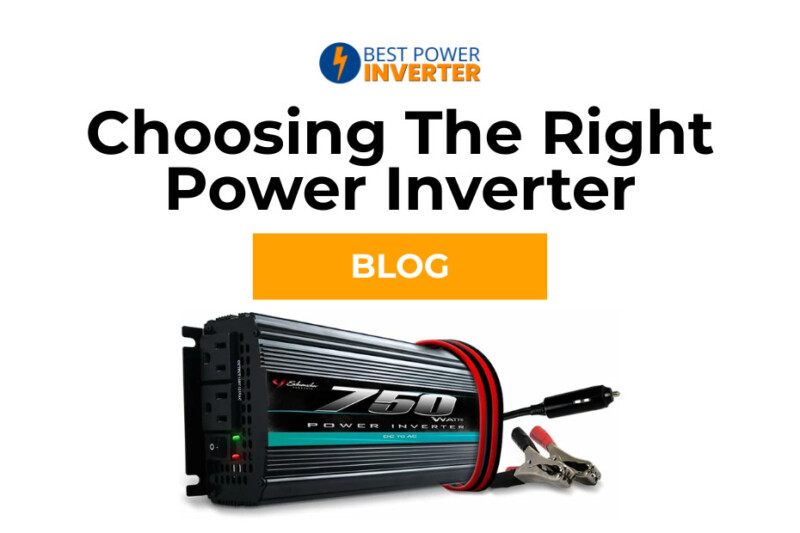
Choosing the right power inverter can feel overwhelming, especially with so many options out there. But it doesn’t have to be complicated.
Whether you want to keep your home running during a blackout or power your devices on the go, picking the right inverter is key to making sure your equipment works smoothly and safely. In this simple guide, you’ll discover exactly what to look for and how to match an inverter to your needs—without getting lost in technical jargon.
Ready to make a confident choice and avoid costly mistakes? Keep reading, and you’ll know exactly how to find the perfect power inverter for your situation.

Types Of Power Inverters
Power inverters convert DC power to AC power. Different types serve different needs. Knowing these types helps pick the right one. This guide explains the main types of power inverters.
Modified Sine Wave Inverters
Modified sine wave inverters produce a simple AC output. They work well with basic appliances. These inverters are affordable and easy to use. Some electronics may not run smoothly on them. Good for power tools and simple devices.
Pure Sine Wave Inverters
Pure sine wave inverters create clean, smooth AC power. They match the power from the grid. Ideal for sensitive electronics like laptops and TVs. They reduce noise and heat in devices. More expensive but offer better performance and safety.
Grid-tie Inverters
Grid-tie inverters connect solar panels to the electricity grid. They convert solar DC power to AC power for home use. Excess power goes back to the grid. These inverters help save on electricity bills. They shut off during grid outages for safety.
Backup Power Inverters
Backup power inverters supply electricity during outages. They connect to batteries or generators. Provide power to essential devices at home or office. Designed for reliability and quick switching. Important for emergency preparedness and peace of mind.
Calculating Power Needs
Calculating power needs is the first step in choosing the right power inverter. It helps ensure your inverter can handle all the devices you want to run. Underestimating power needs can cause your inverter to fail or work inefficiently. Follow simple steps to determine the total power your devices require.
Listing Connected Devices
Start by making a list of all devices you want to power. Include lights, laptops, fans, and other electronics. Write down each device’s power rating if available. Check labels or manuals for this information. If you cannot find it, use an online database or wattage calculator.
Estimating Total Wattage
Add up the wattage of all devices on your list. This sum gives you the total continuous power your inverter needs. Round up the number to allow a safety margin. This helps avoid overload and extends inverter life. Remember, some devices use more power than their listed rating at startup.
Considering Surge Power
Surge power is the extra power needed to start some devices. Motors and compressors often require higher surge power. Check the surge watt rating on your devices if possible. Choose an inverter that can handle both continuous and surge wattage. This prevents tripping or damage during startup.
Evaluating Battery Compatibility
Evaluating battery compatibility is key to choosing the right power inverter. The battery and inverter must work well together for safe and efficient power use. Understanding battery capacity, type, and voltage helps avoid damage and improves performance. Battery life also depends on this match.
Battery Capacity And Type
Battery capacity shows how much energy it stores. It is measured in amp-hours (Ah). Choose an inverter that fits your battery’s capacity. The battery type matters too. Lead-acid, lithium-ion, and AGM batteries need different inverters. Check the inverter’s specs to match your battery type.
Voltage Matching
Voltage must match between battery and inverter. Common battery voltages are 12V, 24V, and 48V. Using the wrong voltage can harm the battery or inverter. Always select an inverter designed for your battery’s voltage. This ensures stable and safe power delivery.
Battery Life Impact
Inverter choice affects battery life. A poor match causes deep discharges or overcharging. These shorten battery lifespan. Use an inverter with proper charging and protection features. This keeps the battery healthy and extends its use. Regular checks help maintain battery performance.
Checking Inverter Features

Checking the features of a power inverter is crucial before making a purchase. These features affect how well the inverter works with your devices. They also impact safety and energy use. Understanding these key features helps you pick the best inverter for your needs.
Number And Type Of Outlets
Look at how many outlets the inverter has. More outlets mean you can power several devices at once. Check the outlet types too. Some inverters offer standard AC plugs, USB ports, or both. Match the outlets to your device plugs for easy use.
Safety Protections
Safety features keep your devices and inverter safe. Common protections include overload protection and short circuit protection. Overheating protection stops damage from high temperatures. Low voltage alarm warns you before the battery drains. These features help avoid accidents and extend inverter life.
Efficiency Ratings
Efficiency shows how well the inverter converts power. Higher efficiency means less energy loss and longer battery life. Check the efficiency percentage on the product label. Choose inverters with ratings above 85% for better performance. Efficient inverters save power and reduce running costs.
Installation And Usage Factors
Choosing the right power inverter goes beyond just power ratings. Installation and usage play a big role in selecting the perfect model. These factors affect performance, safety, and convenience. Understanding mounting options, how often you will use the inverter, and environmental conditions helps make a smart choice.
Mounting Options
Power inverters come with different mounting styles. Some are designed for wall mounting, while others fit in vehicles or on flat surfaces. Choose a model that suits your space and setup. Secure mounting reduces vibration and damage risk. Check if the inverter includes mounting brackets or requires additional hardware.
Frequency Of Use
How often you use the inverter matters. Daily users need durable and reliable models. Occasional users can consider budget-friendly options. Frequent use demands better cooling and protection features. Decide if the inverter will run for hours or short periods. This helps pick a model with the right duty cycle and efficiency.
Environmental Considerations
Consider where you will install the inverter. Indoor locations need less rugged designs. Outdoor or mobile use requires weather-resistant and dustproof inverters. Temperature extremes affect inverter life and performance. Choose a model with proper ventilation and protection against moisture. This ensures safe and long-lasting operation.
Budget And Brand Considerations
Choosing the right power inverter requires balancing your budget with trusted brands. Many options exist, from low-cost models to premium devices. Picking a reliable brand ensures quality and better performance over time. Budget and brand choices affect your satisfaction and the inverter’s lifespan. Understanding cost, warranty, and user feedback can help you make a smart decision.
Cost Vs Performance
Inverters vary widely in price. Cheaper models may save money upfront but can lack features or durability. Higher-priced inverters usually offer better efficiency and longer life. Consider how much power you need and how often you will use the inverter. Spending a bit more can mean fewer problems later. Balance cost with the performance that suits your needs best.
Warranty And Support
A good warranty protects your investment. Brands that offer longer warranties show confidence in their products. Check what the warranty covers and how easy it is to claim. Customer support matters too. Quick, helpful service can solve problems fast. Choose brands known for solid warranty terms and responsive support teams.
User Reviews
Reading user reviews reveals real experiences with the inverter. Look for comments on reliability, noise, and power output. Pay attention to common issues and how the brand resolves them. Reviews help spot products that match your expectations. They give a clearer picture than just marketing claims.
Conclusion
Choosing the right power inverter makes your devices work smoothly and safely. Focus on your power needs first. Check the inverter’s wattage and type carefully. Consider battery compatibility and efficiency. Don’t forget safety features for peace of mind. A well-chosen inverter lasts longer and saves energy.
Take your time and compare options. The right choice helps you stay powered anytime, anywhere. Simple steps lead to smart decisions.
