
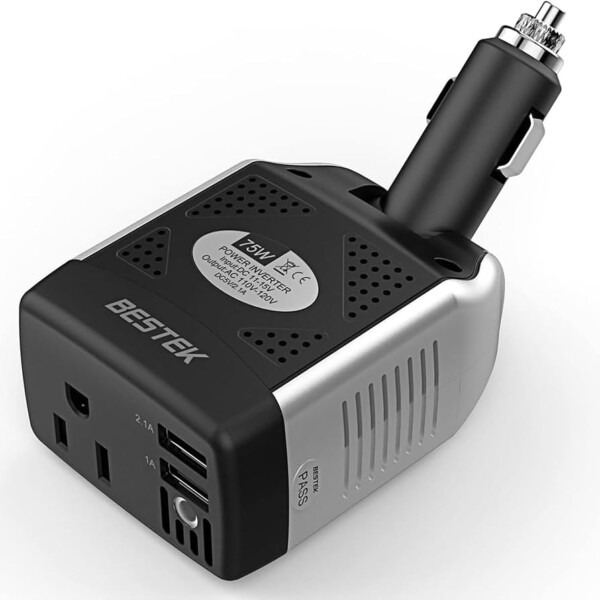
Testing a Bestek power inverter is important. You want to make sure it works well. Here are simple steps to test it.
What You Need
- Bestek power inverter
- Multimeter
- Load or appliance
- Battery
- Wires and connectors
Step 1: Check the Inverter’s Physical Condition
Look at your inverter. Check for any damage. Make sure the wires are not broken. A damaged inverter might not work well.
Step 2: Connect the Inverter to the Battery
First, connect the inverter to the battery. Use the wires and connectors. Ensure the positive and negative terminals are correct. A wrong connection can damage your inverter.
| Connection | Battery Terminal | Inverter Terminal |
|---|---|---|
| Positive | Red (+) | Red (+) |
| Negative | Black (-) | Black (-) |

Credit: www.youtube.com
Step 3: Turn On the Inverter
Turn on the inverter. Check the power light. It should be green. If it is red, there is a problem.
Step 4: Test with a Multimeter
Use a multimeter to check the output. Set the multimeter to AC voltage. Connect the probes to the inverter’s output. The reading should match the inverter’s rating.
- For a 110V inverter, the multimeter should read around 110V.
- For a 220V inverter, it should read around 220V.
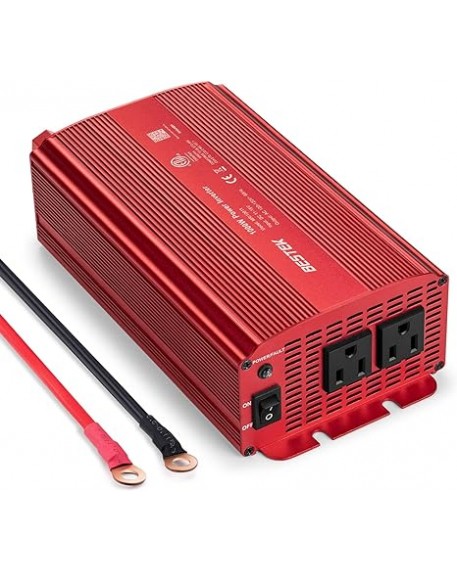
Credit: www.bestekdirect.com
Step 5: Connect a Load
Now, connect a load or appliance. This will test how well the inverter handles real use. Watch for any changes in the inverter’s performance.
Step 6: Monitor the Inverter
Keep an eye on the inverter. Watch for unusual sounds or smells. Check if it gets too hot. These signs mean there might be a problem.
Step 7: Check the Battery
Make sure the battery is not weak. A weak battery can affect the inverter’s performance. Use the multimeter to check the battery voltage.
- A fully charged 12V battery should read around 12.6V.
- A weak battery will read below 12V.
Step 8: Test Different Loads
Try different loads. Use small and large appliances. This helps see how the inverter handles different power needs.
Step 9: Test Over Time
Run the inverter for some time. This checks if it can handle long use. Monitor its performance during this period.
Step 10: Review the Results
After testing, review your findings. Did the inverter perform well? Were there any issues? This will help you decide if the inverter is good.
| You May Like: What is the Recommended Input Voltage for Power Inverter?