
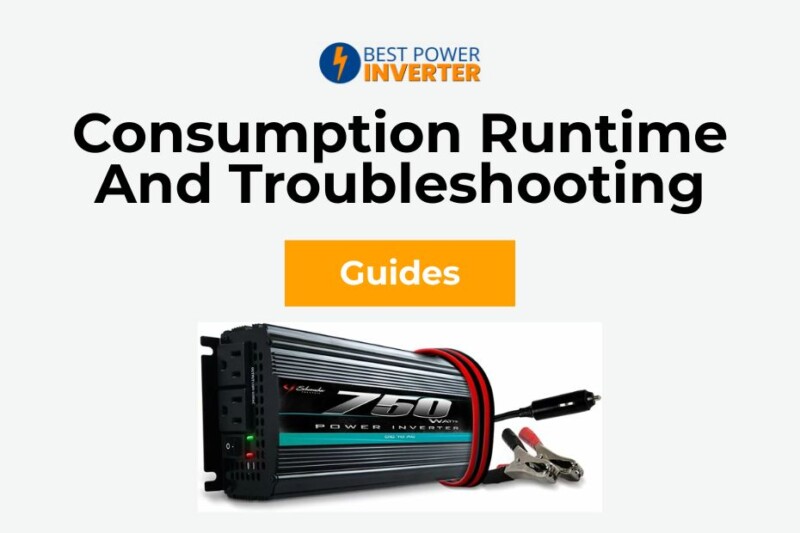
Are you tired of your inverter running out of power sooner than expected? Do you find yourself puzzled about how long your inverter should actually last during an outage?
Understanding your inverter’s power consumption and runtime is key to making sure your backup power works when you need it most.
You’ll discover simple ways to calculate how long your inverter can keep your devices running, and learn effective troubleshooting tips to fix common problems that cause unexpected power loss.
Keep reading to take full control of your inverter’s performance and avoid those frustrating blackouts!
Inverter Power Consumption Basics
An inverter converts DC power from batteries into usable AC electricity. Understanding inverter power consumption helps manage energy efficiently. It also aids in estimating runtime and troubleshooting issues.
Knowing how inverters draw power and what affects their consumption keeps your system reliable. It prevents unexpected outages and saves money on electricity bills.
How Inverters Use Electricity
Inverters consume electricity to run internal circuits and convert power. They draw power from the battery even when no appliances are connected. This is called the no-load or idle power consumption. When appliances run, the inverter uses more electricity to supply their needs.
Factors Influencing Power Draw
The power draw depends on the number and type of devices connected. Appliances with motors or heating elements use more power. Battery condition and inverter efficiency also affect power consumption. Temperature and inverter age can increase energy use as well.
Impact Of Inverter Size And Capacity
Larger inverters with higher capacity often consume more power. They have bigger components and more complex circuits. Smaller inverters use less energy but support fewer appliances. Choosing the right size ensures efficient power use and longer battery life.
Calculating Runtime
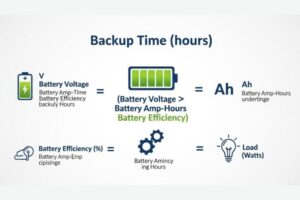
Calculating the runtime of an inverter is essential to understand how long your backup power will last. It helps in planning power usage during outages. Runtime depends on the battery’s capacity, voltage, and the load connected to the inverter. Knowing the correct way to calculate runtime avoids unexpected power loss.
Core Formula For Backup Time
The main formula to calculate backup time is simple. Multiply the battery voltage by the amp-hour rating and battery efficiency. Then, divide the result by the connected load in watts. This gives the backup time in hours.
Backup Time (hours) = (Battery Voltage × Battery Amp-Hours × Battery Efficiency) ÷ Load (Watts)
This formula helps estimate how long your inverter can power your devices before the battery runs out.
Battery Voltage And Amp-hours
Battery voltage shows the electric potential the battery provides. Amp-hours (Ah) indicate how much current a battery can supply over time. Higher Ah means longer runtime. For example, a 12V battery with 100Ah can theoretically deliver 12 volts at 100 amps for one hour.
Both voltage and amp-hours must match your inverter and load needs for accurate runtime calculation.
Efficiency Of Different Battery Types
Not all batteries perform the same. Lead-acid batteries have about 80-85% efficiency. Lithium-ion batteries often reach 95% efficiency. Efficiency affects usable energy and runtime.
Higher efficiency means more energy is available to power your devices, extending runtime. Consider battery type when planning backup power.
Real-world Vs Ideal Runtime
Ideal runtime is calculated under perfect conditions. Real-world runtime is usually shorter. Factors like battery age, temperature, inverter losses, and device power variations reduce actual runtime.
Expect about 70-90% of the ideal runtime in practical use. Always plan for some buffer to avoid sudden power cuts.
Read More: DIY 12V to 220V Inverter Build
Common Causes Of High Power Consumption
High power consumption in inverters can lead to shorter runtime and increased electricity bills. Understanding the common causes helps in managing and reducing energy use effectively. Identifying these factors allows better troubleshooting and maintenance for optimal inverter performance.
Battery Charging Demands
The inverter uses more power when charging batteries. Larger or deeply discharged batteries require longer charging times. Charging cycles increase energy consumption, especially if batteries are old or damaged. Keeping batteries in good condition reduces excessive charging demands.
Effect Of Frequent Power Outages
Power outages force the inverter to run more often. Each outage triggers the battery to supply power, increasing consumption. Frequent switching on and off also causes higher energy use. Stable power supply helps maintain lower inverter power consumption.
Aging And Maintenance Issues
Older inverters work less efficiently, using more power for the same output. Dust, corrosion, and worn parts raise internal resistance and energy loss. Regular cleaning and timely repairs improve efficiency and reduce power waste. Proper care extends inverter life and lowers consumption.
Troubleshooting Power Issues
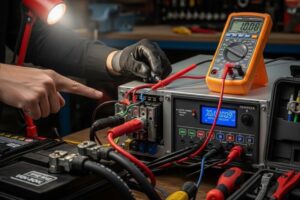
Troubleshooting power issues with your inverter helps restore reliable energy supply. Power problems can arise from simple faults. Checking key components often resolves the issue quickly. Focus on fuses, wiring, and battery health. These parts affect inverter performance and runtime. Following clear steps can save time and avoid costly repairs.
Checking Fuses And Wiring
Fuses protect your inverter from power surges. A blown fuse stops power flow completely. Open the fuse box and inspect each fuse carefully.
Replace any fuse that looks damaged or burnt. Check wiring for signs of wear or damage. Broken or frayed wires can cause short circuits. Tighten any loose wire connections. Proper wiring ensures steady power transmission.
Verifying Battery Voltage
Batteries supply the inverter with essential power. Low battery voltage reduces inverter runtime. Use a multimeter to measure battery voltage accurately.
Compare the reading with the battery’s rated voltage. Recharge or replace the battery if voltage is too low. Healthy batteries maintain consistent voltage under load. This helps the inverter work efficiently.
Identifying Loose Connections
Loose connections interrupt power flow and cause failures. Check all inverter terminals and cable joints. Wiggle cables gently to spot loose contacts. Tighten loose nuts and bolts securing wires. Ensure connectors fit tightly and securely. Poor connections increase resistance and heat. Fixing loose connections improves inverter reliability and runtime.
Optimizing Inverter Performance
Optimizing inverter performance is key to getting the most out of your power system. Efficient inverters save energy and extend battery life. They also reduce the chances of failure and costly repairs. Small changes in how you use and maintain your inverter can greatly improve runtime and power consumption.
Proper Sizing For Load And Battery
Choose an inverter that matches your power needs. An undersized inverter can overload and shut down. An oversized one wastes battery power and reduces efficiency.
Match the inverter capacity with the total wattage of your devices. Also, select a battery with enough amp-hours to support your load for the desired time. Proper sizing prevents energy waste and improves system reliability.
Minimizing Idle Power Draw
Inverters consume power even when not actively supplying loads. This idle power draw can drain batteries faster than expected.
Use inverters with low no-load power consumption ratings. Turn off the inverter completely when not in use for long periods. Avoid keeping it in standby mode to save battery life. Reducing idle power draw helps maintain longer runtimes.
Regular Maintenance Tips
Keep your inverter and battery clean and dry. Check and tighten all electrical connections regularly to avoid power loss. Inspect cooling fans and vents for dust buildup. Overheating can reduce inverter efficiency and cause shutdowns.
Test battery voltage and replace weak cells promptly. Follow the manufacturer’s maintenance schedule for best results. Regular care ensures steady performance and prevents unexpected downtime.
Tools And Resources
Effective troubleshooting and understanding inverter power consumption require the right tools and resources. Having access to accurate measuring devices, practical online guides, and active community support helps solve issues faster and improves system performance. These resources simplify the process of calculating runtime and identifying faults.
Using Multimeters And Testers
Multimeters measure voltage, current, and resistance in an inverter system. They help check battery voltage and inverter output. Testers detect wiring faults and blown fuses. Using these tools regularly prevents unexpected failures and extends inverter life. Basic knowledge of multimeter functions is essential for accurate readings.
Online Calculators And Guides
Online calculators estimate inverter runtime based on battery capacity and load. They simplify complex calculations into easy steps. Many websites offer user-friendly guides on inverter maintenance and troubleshooting. These resources save time and reduce errors. Following step-by-step instructions ensures proper inverter care.
Community Forums And Support
Forums provide a platform to ask questions and share experiences with other inverter users. Experts and hobbyists discuss common problems and solutions. Community support offers real-world advice not found in manuals. Engaging in forums builds confidence and helps learn new troubleshooting techniques.
Conclusion
Understanding inverter power consumption and runtime helps you save energy and money. Always check battery health and load size for accurate runtime. Regular maintenance keeps your inverter efficient and extends its life. Simple troubleshooting steps fix common issues quickly. Stay aware of power usage to avoid surprises in your electricity bill.
With the right care, your inverter will serve you well during outages. Keep these tips in mind for smooth, reliable inverter performance.