
Thinking of buying a power inverter? It’s easy to get overwhelmed with choices and make costly mistakes that can affect your energy needs and budget.
If you pick the wrong inverter, you might face poor performance, unexpected expenses, or even damage to your devices. But don’t worry—this article will guide you through the top mistakes to avoid when buying a power inverter. By knowing what pitfalls to watch out for, you’ll make a smarter purchase that keeps your power running smoothly and your wallet happy.
Keep reading to ensure your next inverter is the perfect fit for your home or business.
Common Power Estimation Errors
Estimating the right power capacity is crucial when buying a power inverter. Many buyers make errors in calculating their power needs. These mistakes cause poor performance and possible damage to appliances. Understanding common power estimation errors helps avoid costly problems and ensures the inverter runs smoothly.
Underestimating Power Consumption
One common error is underestimating the power consumption of devices. People often think their appliances use less power than they actually do. This leads to choosing an inverter with too low capacity. The inverter may overload and shut down frequently. Check the wattage of all devices to get an accurate total. Add a safety margin to handle spikes in power use.
Ignoring Future Power Needs
Ignoring future power needs causes problems later. Your power requirements may grow over time. Adding new appliances or devices increases total consumption. Buying an inverter that barely meets current needs limits your options. Choose an inverter with extra capacity for future growth. This saves money and hassle from upgrading too soon.
Choosing The Wrong Inverter Type
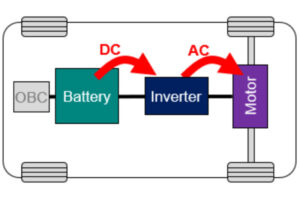
Choosing the wrong inverter type can cause many problems. It affects the performance and safety of your devices. Picking an unsuitable inverter wastes money and can damage your equipment. Understanding the main types and their limits helps you make the right choice.
Modified Vs Pure Sine Wave Inverters
Modified sine wave inverters are cheaper and simpler. They work well with basic tools and lights. But they can cause noise and harm sensitive electronics like laptops or medical devices.
Pure sine wave inverters produce clean and smooth power. This matches the electricity from the grid. They protect sensitive devices and run them smoothly. The cost is higher but worth it for safety and efficiency.
Inverter Capacity Mismatch
Choosing an inverter with too low capacity causes overload and shutdowns. It cannot power your devices properly. This leads to frequent failures and possible damage.
Too large an inverter wastes energy and costs more. It also demands bigger batteries and wiring. Match the inverter capacity closely to your total power needs for best results.
Overlooking Battery Compatibility
Overlooking battery compatibility is a common mistake when buying a power inverter. This error can cause poor performance and damage to both the battery and inverter. Choosing the wrong battery for your inverter may lead to shorter battery life and system failure. Understanding battery compatibility ensures your power system runs smoothly and lasts longer.
Battery Quality And Type
Battery quality affects how well your inverter performs. Low-quality batteries may not hold charge or deliver stable power. The battery type matters too. Lead-acid, lithium-ion, and gel batteries behave differently with inverters. Each type has its own voltage and discharge characteristics. Match your battery quality and type to the inverter’s requirements for optimal use.
Matching Battery With Inverter
Check the battery voltage to match the inverter input voltage. Using a battery with a different voltage can damage the inverter or reduce efficiency. Confirm the battery’s capacity fits the inverter’s power needs. An undersized battery will drain quickly, while an oversized one may be costly and bulky. Proper matching improves energy use and extends system life.
Neglecting Safety Features
Neglecting safety features when buying a power inverter can lead to serious risks. Electrical faults may cause damage to your devices or even start fires. Many buyers focus on price or power capacity but forget to check crucial safety components. Choosing an inverter without proper safety can endanger your home and equipment.
Importance Of Circuit Breakers
Circuit breakers protect your inverter and connected devices from electrical overload. They automatically stop the flow of electricity if the current is too high. This prevents damage to the inverter and reduces fire hazards. Always choose an inverter with built-in or compatible circuit breakers. Avoid models that lack this essential safety feature.
Proper Voltage And Current Ratings
Selecting an inverter with the correct voltage and current ratings is vital. Using an inverter rated too low can cause overheating and failures. An inverter rated too high wastes energy and may not protect your devices properly. Check the voltage matches your power source and load. Verify the current rating supports your total power needs safely.
Ignoring Environmental Factors
Ignoring environmental factors can cause serious problems for your power inverter. Many buyers forget to consider the place where the inverter will operate. This mistake can reduce the device’s lifespan and performance. It is important to think about temperature, moisture, dust, and other outdoor elements. These conditions affect how well the inverter works and how long it lasts.
Harsh Outdoor Conditions
Outdoor settings expose inverters to heat, cold, rain, and dust. Excess heat can cause the inverter to overheat and fail. Cold weather may make it hard for the inverter to start or work properly. Water and dust can damage internal parts, causing shorts or corrosion. Choose an inverter designed for your environment. Check if it has a high IP rating, which shows good protection against dust and water.
Inverter Durability And Protection
Durability is key for a long-lasting inverter. Look for models with strong casing and good seals. Metal enclosures protect better than plastic in tough places. Some inverters come with built-in cooling fans or heat sinks to avoid overheating. Protection features like surge guards and thermal cutoffs prevent damage from power spikes or heat. Investing in a durable inverter saves repair costs and ensures steady power supply.
Falling For Low-cost Inverters
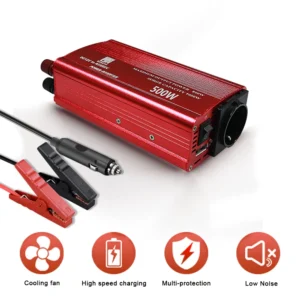
Choosing a power inverter based on the lowest price can lead to major problems. Low-cost inverters may seem like a bargain, but they often come with hidden risks. These devices might fail sooner or not work efficiently. Understanding these risks helps avoid costly mistakes.
Compromised Efficiency And Durability
Cheap inverters often use low-quality materials. This reduces their efficiency, wasting more power. They may also overheat or break down quickly. Poor durability means frequent repairs or replacements. This raises the total cost beyond the initial price.
Efficiency matters for saving energy and protecting devices. A low-cost inverter may not provide stable power output. This can damage sensitive electronics or cause interruptions. Spending a bit more on quality ensures longer life and better performance.
Lack Of Software Support
Modern inverters often include software for monitoring and control. Low-cost models usually lack this support. Without software, users cannot track power usage or detect faults easily.
Good software helps optimize inverter performance and prevent failures. It also provides updates to fix bugs or improve features. A low-cost inverter may leave users without these benefits. This reduces convenience and may lead to unnoticed problems.
Compatibility Issues With Solar Panels
Choosing a power inverter that works well with your solar panels is key. Compatibility issues with solar panels can cause poor performance or even damage. Many buyers overlook this and end up with costly problems. Understanding how to match your inverter to your solar setup can save frustration and money.
Matching Inverter To Solar Array
The inverter must match the voltage and current of your solar panels. Solar arrays produce direct current (DC), which the inverter converts to alternating current (AC). If the inverter voltage rating does not fit the solar array, it will not operate efficiently. Check the maximum input voltage and current specs of the inverter. These must align with the solar panel output. Using an inverter with incompatible voltage can reduce energy harvest or cause failure.
Avoiding Undersized Inverters
Choosing an inverter smaller than your solar array limits system output. An undersized inverter cannot handle the full power your panels produce. This leads to energy loss and poor system performance. Calculate the total wattage of your solar array and select an inverter with equal or higher capacity. Oversizing slightly is better than undersizing. This ensures your inverter can handle peak power without strain or shutdowns.
Installation Mistakes To Avoid
Installing a power inverter requires care and attention to detail. Mistakes during installation can cause damage or reduce the inverter’s efficiency. Knowing what to avoid helps keep your system safe and running well. Below are key installation mistakes to watch out for.
Using Incorrect Circuit Breakers
Choosing the wrong circuit breaker can lead to serious problems. Many circuit breakers are designed for AC, but inverters often need DC-rated breakers. Using an AC breaker on a DC circuit can cause failure or fire hazards. Always check the voltage and current ratings on the breaker. Make sure it matches the inverter’s requirements exactly. Installing the correct breaker protects your system and prevents costly repairs.
Incorrect Wiring Practices
Wiring errors are common and dangerous. Using wires that are too thin can cause overheating and voltage drops. Avoid loose connections; they increase resistance and risk sparks. Follow the manufacturer’s wiring diagrams closely. Keep wires organized and secure to prevent damage. Proper wiring ensures stable power flow and extends the inverter’s life. Double-check connections before powering on the system.
Conclusion
Avoiding common mistakes leads to better power inverter choices. Always check your power needs carefully before buying. Choose an inverter that matches your devices and future plans. Don’t pick the cheapest option; quality matters for safety and durability. Make sure the inverter works well with your battery and solar setup.
Simple steps like these save money and prevent headaches later. Take time to learn and compare options to get the best fit. Buying smart means enjoying reliable power without surprises. Keep these tips in mind for a smooth inverter purchase.