
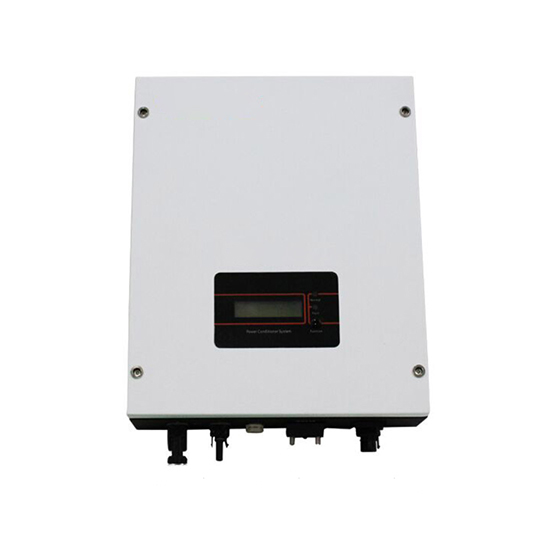
A 10kW on-grid inverter serves as the central hub for large residential or small commercial solar setups. It converts the Direct Current (DC) generated by your solar panels into the Alternating Current (AC) used by your appliances and the utility grid. Choosing the right unit determines how much energy you harvest and how fast you see a return on investment. This guide breaks down the technical specifications, real-world output, and installation requirements for these high-capacity units.
- Capacity: A 10kW inverter is best suited for large homes with high energy consumption (roughly 1,200+ kWh per month).
- Grid Interaction: These units synchronize with the utility grid, allowing for net metering credits but shutting down during power outages for safety.
- Panel Sizing: You can often pair up to 13kW of solar panels with a 10kW inverter to maximize production during low-light hours.
- Phasing: Verify if your property requires a single-phase (standard home) or three-phase (commercial/industrial) model.
Understanding the 10kW System
The 10kW on-grid inverter is a heavy hitter in the solar market. It sits between standard residential sizes (5kW–7kW) and commercial units. This size is ideal for homeowners who run central air conditioning, pool pumps, or electric vehicle (EV) chargers. The inverter manages the flow of electricity. It pushes excess power to the grid when you produce more than you use. It pulls power from the grid when your panels stop working at night.
How it works:
- Input: Accepts high-voltage DC from long strings of solar panels.
- Conversion: Changes DC to 240V AC (or 208V/480V for commercial).
- Synchronization: Matches the frequency of the utility grid perfectly.

Real-World Power Output
A 10kW rating refers to the maximum continuous output the unit can handle. However, actual production depends on your location and sun hours. In a sunny region like Arizona or California, a 10kW system might produce 40 to 50 kilowatt-hours (kWh) per day. In cloudier northern regions, that number might drop to 30 or 35 kWh.
Daily math example:
- Peak Sun Hours: 5 hours
- System Size: 10kW
- Theoretical Total: 50 kWh per day
This output is usually enough to cover the entire electricity bill of a 2,500+ square foot home. If you use less power than you generate, your utility meter spins backward. This builds up credits. You use these credits during winter or at night.
Single-Phase vs. Three-Phase
You must check your main electrical panel before buying an inverter. This is the most common mistake we see DIY enthusiasts make.
Single-Phase (Split-Phase):
Most US homes use this. It delivers 240 volts. If you are installing this on a standard house, you almost certainly need a single-phase 10kW on-grid inverter.
Three-Phase:
This is common in commercial buildings, workshops, or very large luxury properties. It delivers power in three alternating currents. Using a single-phase inverter on a three-phase connection will not work without complex transformers. Always verify your grid connection type first.
From the Shop: The “Voltage Rise” Issue
We recently serviced a client who installed a 10kW inverter in a detached garage, 200 feet from the main meter. The system kept shutting down around noon every day. The issue wasn’t the inverter; it was the wire size.
Because 10kW pushes a lot of current (roughly 40-42 Amps at 240V), the voltage was rising too high at the inverter terminals to push power back to the house. The inverter’s safety protocols triggered a shutdown. We had to upgrade the AC wiring to a thicker gauge (from #8 to #6 copper) to reduce resistance. Lesson: For 10kW systems, wire thickness (gauge) is critical over long distances.
Installation and Cost Analysis
Prices for inverters have stabilized recently. A high-quality 10kW on-grid inverter typically costs between $1,800 and $3,000 for the hardware alone. This price varies based on brand reputation, warranty length, and monitoring features.
Total installation costs for a full 10kW system (panels, racking, inverter, labor) generally land between $2.50 and $3.50 per watt before incentives. According to the National Renewable Energy Laboratory (NREL), soft costs like permitting and labor make up a significant portion of this total.
Decision Matrix: Do you need 10kW?
- If your monthly bill is $100-$150: A 10kW unit is likely too big. Look at 6kW or 7kW options.
- If your monthly bill is $250+: A 10kW unit is the correct starting point.
- If you plan to buy an EV: Stick with the 10kW. The car will add significant load.
Critical Specs: MPPT and Efficiency
When comparing data sheets, look past the brand name. Focus on the technical limits.
MPPT Channels (Maximum Power Point Tracking)
Most 10kW inverters come with dual MPPT channels. This allows you to have two separate arrays of solar panels facing different directions (e.g., East and West). The inverter treats them independently. If shade hits the East roof, the West roof keeps generating at full power. If you have a complex roof with three or four different angles, you might need an inverter with 3 or 4 MPPTs, or use microinverters instead.
Efficiency Rating
Look for a CEC (California Energy Commission) weighted efficiency of 97% or higher. Older models hovered around 94-95%. That 2% difference adds up to thousands of kilowatt-hours over the 10 to 15-year lifespan of the device.
Cooling
Inverters generate heat. A 10kW unit works hard. Some use fans (active cooling), while others use large metal heatsinks (passive cooling). Passive cooling is silent and has fewer moving parts to break. However, if the unit is installed in direct sunlight in a hot climate, active cooling fans are often better at keeping internal temperatures down.
For more information on how solar integration works with the electrical grid, refer to the Department of Energy’s guide on Solar Integration.
Frequently Asked Questions
How many solar panels do I need for a 10kW inverter?
You typically need between 25 and 32 solar panels. This assumes you are using modern panels rated between 400W and 450W. It is common practice to install slightly more total panel wattage (e.g., 12kW) than the inverter rating to ensure better performance on cloudy days.
Can a 10kW on-grid inverter work without a battery?
Yes. In fact, standard on-grid inverters are designed to work without batteries. They send power directly to your home loads and export the excess to the utility company. However, they will shut down during a power outage for safety reasons.
What wire size is needed for a 10kW inverter?
A 10kW inverter typically outputs around 42 Amps at 240 Volts. This usually requires a 60 Amp breaker and #6 AWG copper wire. If the wire run is very long (over 100 feet), you may need to upgrade to #4 AWG to prevent voltage drop.
How long does a 10kW inverter last?
Most string inverters last between 10 and 15 years. Many manufacturers offer standard warranties of 10 years, with options to extend to 20 or 25 years for an additional fee.
Is a 10kW inverter single-phase or three-phase?
They are available in both configurations. For residential homes in the US, you almost always need a single-phase (split-phase) 240V model. Three-phase models are generally reserved for commercial buildings operating on 208V or 480V systems.
