
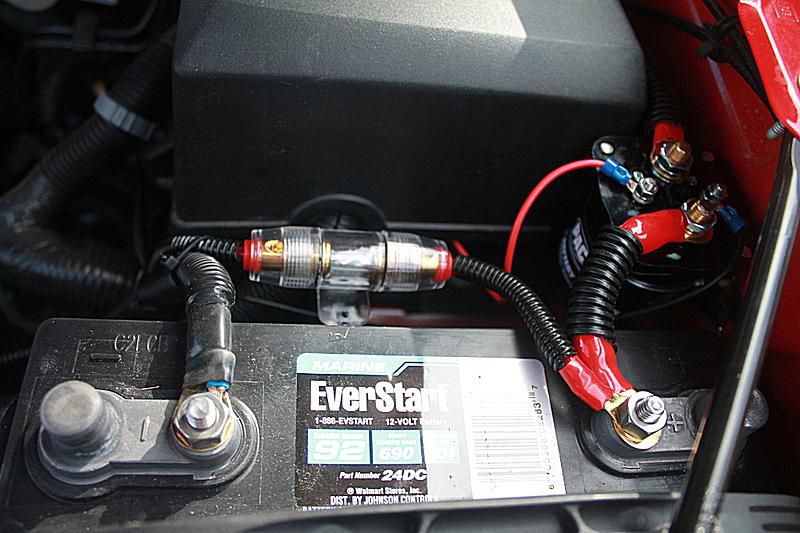
To install a power inverter in a car, connect it to the battery and secure it to a stable surface. Ensure the inverter is off and the car battery is disconnected before installation.
Installing a power inverter in a vehicle transforms it into a mobile power hub, allowing the use of household electronics on the go. This convenient upgrade requires precision and a clear understanding of the car’s electrical system.
A typical inverter installation involves choosing the right power and size for your needs, finding a suitable mount near the battery, and making secure electrical connections.
Given the complexity of modern car batteries and electrical systems, safety is paramount. By following methodical steps and using high-quality cables and fuses, drivers can enjoy the benefits of AC power while ensuring their vehicle’s electrical integrity remains intact.
Good installation practices also help avoid battery drainage and ensure the inverter operates efficiently, making road trips and mobile activities more enjoyable and productive.

Credit: www.lifewire.com
Introduction To Power Inverters In Automotive Applications
A power inverter lets you use household gadgets in your car. By converting your car’s DC power into AC power, you can charge laptops, phones, and more. It’s like bringing a bit of home on the road.
Bold benefits of a power inverter:
- Use electronic devices while traveling.
- Charge multiple gadgets at once.
- Make long trips more comfortable.
Before buying a power inverter, check two things:
| Your device’s power needs | Car’s power capability |
|---|---|
| Calculate wattage. | Check car manual or label. |
Ensure the inverter matches your car’s output.
Selecting The Appropriate Power Inverter For Your Car
Choosing the right power inverter requires understanding two main types: Modified Sine Wave and Pure Sine Wave. Modified Sine Wave inverters are more affordable. They work well with basic electronics.
Still, some devices may not run as smoothly or efficiently. On the other hand, Pure Sine Wave inverters are a bit pricier. They are similar to the power supplied at home. This makes them better for sensitive electronics.
The size and power output of the inverter are crucial. Assess your power needs by checking the wattage of devices you plan to use. This will guide your choice. For instance, charging a phone will need less power than running a fridge.
Inverters come with extra features worth noting. Things like USB ports, cooling fans, and remote controls add convenience. Also, ensure it has overload protection for safety. This could save your car and gadgets from damage.
| You May Like: How Long Will a 12V Battery Last With An Inverter
Preparing For The Installation Process
Before installing a power inverter in a car, gather all necessary tools and materials. Essential items include the inverter, screwdrivers, wrenches, and electrical tape. Guarantee personal safety by wearing protective gear such as gloves and goggles. Disconnecting the car’s battery avoids electric shocks.
Deciding where to place the inverter is crucial. Choose a spot that is dry, cool, and ventilated. Ensure it is close to the battery to minimize potential loss in the cables. Avoid areas that might block air vents on the inverter.
Step-by-step Guide To Installing A Power Inverter
Mounting the inverter needs consideration of location and stability. Select a spot close to the battery but away from heat sources. Secure the inverter with brackets or Velcro strips to ensure it doesn’t move during travel.
Wiring the inverter to the battery involves using thick wires. Thick wires handle the high current flow. Use red for the positive and black for the negative. Connect the red wire to the positive terminal on the battery and the inverter.
Do the same with the black wire on the negative terminals. Ensure connections are tight and secure to prevent electrical issues.
The inverter must have a proper ground connection to function safely. Attach the grounding wire to the inverter’s ground terminal. Connect the other end to the car’s chassis. This avoids electric shocks and short circuits.
Before using the inverter, a test is crucial. Plug in a small device like a phone charger to check the output. The inverter should supply power without interruption. If issues arise, double-check all connections and the grounding wire. Correct any loose fittings.
| You May Like: Why is the Bestek Power Inverter Considered an Eco-Friendly Option?
Troubleshooting And Maintenance
Troubleshooting power inverters involves checking connections and fuses. Miswiring or loose terminals can cause issues.
Ensure everything is tight and correctly connected. Faulty or inadequate grounding is a common problem. Double-check the ground connection to the vehicle’s chassis.
For optimal performance, keep the inverter clean and well-ventilated. Dust build-up can lead to overheating. Periodically inspect cables and connections for wear. Replace them as needed.
Professional help is necessary with complex electrical issues. This ensures safety and proper functionality. Mechanics with expertise in auto electrics will provide the best service.

Credit: www.youtube.com
Legal And Safety Considerations
Knowing the laws about car electric systems is vital. Not all power inverters are OK to use in every car. Different places have different rules for inverters. You must check these before starting.
Safety is a top must. You want to make sure your power inverter does not harm your car. It must meet special safety rules. These rules keep both the car and you safe. Always follow the manual’s instructions.
Your car has a limit on how much electricity it can handle. A power inverter can be too much for it. Do not use an inverter that needs more power than your car can give. This stops car damage and keeps you safe.

Credit: www.mobile-install.com
How Do You Install an Inverter in a Vehicle? Quick Overview
Vehicle inverter installation comes down to one choice: plug it into the socket or wire it directly to the battery. The figures below are common rules of thumb. Always check your inverter’s manual for its own cable and fuse specifications.
Pick the connection method by wattage
| Inverter size | Connection | Notes |
|---|---|---|
| Up to about 150W | 12V cigarette-lighter socket | Most sockets are fused at 10-15A, which limits output to roughly 120-180W. |
| 300W and above | Direct to the battery | Needs heavy-gauge cables and an inline fuse. |
Direct-to-battery steps
- Turn the inverter off and switch off the engine.
- Mount the inverter on a flat, dry, ventilated surface, with cables kept as short as possible.
- Fit an inline fuse on the positive cable, within about 18 inches (45 cm) of the battery terminal. Size it to the inverter’s maximum DC current, which is watts divided by 10-12 volts. A 1000W unit draws roughly 85-100A.
- Run the positive (red) cable from the fuse holder to the inverter’s positive terminal. Keep it away from sharp edges and use a grommet where it passes through the firewall.
- Connect the negative (black) cable to the inverter’s negative terminal, then to the battery negative or a bare-metal chassis ground.
- Connect the fuse last, tighten all terminals, and then switch the inverter on.
Cable thickness
Manufacturer charts typically suggest around 8 AWG for 300W, 4 AWG for 1000W and 2 AWG or thicker for 1500W over short runs. Thinner cable overheats and drops voltage, which can trigger low-voltage shutdowns.
Large loads should only be used with the engine running, since an inverter can drain a car battery quickly.
Conclusion
Installing a power inverter in your car can significantly enhance your on-the-go power capabilities.
With the right tools and guidelines, it’s a manageable task that offers lasting benefits. Remember to prioritize safety and consult your vehicle’s manual throughout the process.
Take the step towards greater convenience and turn your car into a mobile power hub today.
You may like: Best 24 Volt Solar Panel for You